Blog

One prep step most people skip. Here’s why it’s the only thing that matters for a trunk liner that stays put

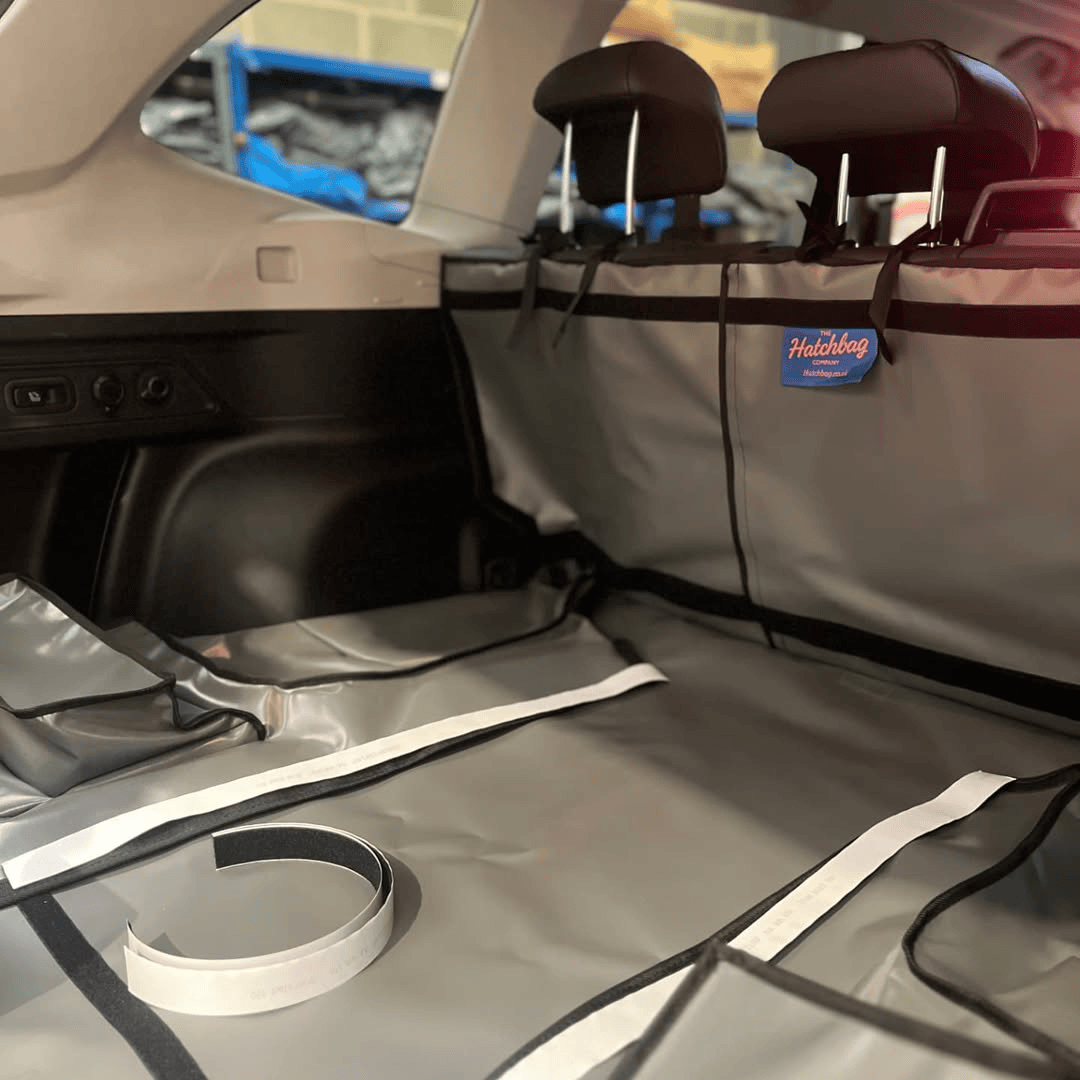
Hatchbag trunk liner – custom-fit interior with Velcro strips prepared for secure installation

A Hatchbag trunk liner is made to last as long as you own the car. But how well the Velcro fitting kit bonds on day one — and holds up over years of loading gear, hauling dogs, and everything else life throws in the back — comes down to a single step in the prep process.

This guide walks you through exactly what that step is, why it matters, and how to do it right from the start.

Jump to:

First Things First

Does your trunk liner even need this step? Check before you buy.

Most Hatchbag liners use a Velcro fitting kit that attaches to the plastic surfaces inside your trunk. If yours does, the prep on this page is essential — skipping it is the number one reason liners don’t hold the way they should.

A small number of models use a carpet-fit method instead, attaching directly to the trunk carpet without Velcro. Those customers don’t need this step for the liner itself.

Check your fitting instructions before you buy anything. They’ll tell you clearly which fitting method your liner uses. Not sure? Email us at [email protected] and we’ll confirm for you.

Got a tailgate cover, or thinking about adding one? You’ll need this prep regardless — even on carpet-fit cars. Tailgate surfaces are almost always plastic, and they carry the same factory coating. The process is identical.

Why Standard Cleaning Isn't Enough

Your trunk looks clean. For Velcro adhesive, it’s not.

Here’s something most people don’t know: when your car was built, every plastic surface in the trunk got a coat of silicone and wax. It’s standard factory practice — it protects the plastic and gives it a smooth, finished look. It’s also invisible, odorless, and it does not come off with regular cleaning.

Wiping the trunk down, vacuuming, even using an all-purpose cleaner — none of that removes the silicone layer. It’s bonded to the plastic at a molecular level. The only way to break it down is with a solvent specifically formulated to cut through it. That’s what Autoglym Intensive Tar Remover does.

This isn’t a cleaning problem — it’s a chemistry problem. The silicone layer is a manufacturing byproduct, not dirt. Your usual household products aren’t designed to remove it. Autoglym is.

This applies to used cars too. A lot of customers assume they can skip this step because the car is older or the trunk’s been cleaned before. The silicone doesn’t wear away over time — it was applied at the factory and it’s still there. In fact, if the previous owner used polish or protectant products in the trunk, there may be additional residue layered on top. Whether the car is brand new or ten years old, the prep is the same.

Autoglym Intensive Tar Remover is what we use in our factory in Birkenhead, England before every Velcro fitting kit ships. We’ve tested other products over the years. We keep coming back to Autoglym because it removes the silicone layer completely, leaves no residue that could interfere with the adhesive, and is safe on every trunk plastic we’ve worked with. That combination is harder to find than you’d expect.

What to Grab

Two things. That’s it.

Autoglym Intensive Tar Remover — available on Amazon. Pick it up before your liner arrives so you’re ready to install right away. Link at the bottom of this page.

Two lint-free dry cloths — one to apply the product, one to dry the surface. An old cotton t-shirt works great if you don’t have dedicated detailing cloths on hand.

The Prep Process

Seven steps. About ten minutes. One time.

Do these in order. Get this right and your liner will stay exactly where it’s supposed to — through muddy dogs, camping hauls, gear runs, and years of real use.

1.  Let the trunk warm up first

Cold plastic resists solvents. If it’s winter or you’re working in a cold garage, run the car for ten minutes first, or do this prep right after a drive. Room temperature plastic makes a real difference to how well Autoglym cuts through the silicone.

→  This is the most commonly skipped step in cold weather. Don’t skip it.

2.  Apply Autoglym generously to your first cloth

Don’t be stingy. You’re not detailing paint — you’re breaking down a factory-applied silicone layer. Give the cloth enough product to actually do the job.

3.  Scrub the areas where the Velcro tabs will go

Really work it in. This is the single most important part of the whole process. It will not damage your car. It will, however, make the difference between a liner that holds for years and one that starts peeling up within weeks.

→  Not sure exactly where the tabs will land? Set the liner loosely in the trunk first, identify the contact points, then remove it before you start.

4.  Dry with your second cloth — and keep going until you feel it drag

Here’s the test we use at the factory: when the cloth starts to drag slightly against the plastic instead of gliding across it, the silicone is gone. That drag is your signal. Dust off any loose fibers from the cloth before moving to the next step.

→  Still gliding smoothly? Silicone is still there. Go back to steps 3 and 4.

5.  Test one tab before committing

Press a single Velcro tab firmly onto the prepped surface and try to peel it back. If it grips well and resists, you’re good. If it lifts too easily, run through steps 3 and 4 again — more silicone is present.

6.  Install the rest of the tabs

Working somewhere cold? Warm the adhesive side of each tab gently with a hair dryer for a few seconds before pressing it down. The initial bond will be significantly stronger.

7.  Leave it alone for 72 hours

The Velcro adhesive builds to full strength over three days. We know 72 hours sounds like a long wait. It’s worth it. Leave the liner in place, undisturbed, and the bond will be exactly as strong as it needs to be.

→  The hard part’s done. Let the chemistry do its thing.

Over Time

What to expect — and what to do when tabs need replacing

Our fitting kit is designed to be removable. That’s a feature, not a compromise — we want the liner to hold firmly in normal use but come out cleanly when you need it to, without leaving residue or damaging the trunk. Because of that design, the Velcro isn’t a permanent industrial bond, and over time, heat cycles and temperature swings will gradually reduce how strongly the tabs grip.

If you park in direct sun a lot, or live somewhere with significant seasonal temperature swings, you may find the tabs need replacing after a year or two. That’s completely normal — it’s not a defect in your liner. The liner is built to outlast the car. The Velcro strips are a consumable part of the fitting system, and replacement kits are available at hatchbag.us/accessories.

When you install new strips, run through the full Autoglym prep again from scratch. Cleaning products and general use rebuild silicone and wax residue on plastic surfaces over time. Skipping the prep on a replacement install is the most common reason customers run into the same problem twice.

WHY THIS PRODUCT SPECIFICALLY

Why we recommend Autoglym by name — and not just “any tar remover”

We get asked this a lot. People want to know if a cheaper generic solvent, a different brand, or something they already have in the garage will do the same job. The honest answer: we don’t know, because we’ve only tested our Velcro kits against Autoglym — and that’s exactly why we won’t recommend anything else.
Silicone solvents vary more than you’d think. Some don’t fully cut through factory coatings. Some cut through the silicone but leave their own residue behind — which causes exactly the same adhesion problem. Some products that are perfectly safe on painted surfaces can discolor or degrade the plastics found inside trunks. We’ve seen all of these failure modes from products that looked reasonable on paper.
Autoglym is what we use on every liner, in our factory, before it ships. We’ve verified it removes the silicone layer completely, leaves nothing behind, and is safe on every plastic surface we’ve tested across years of production. We’d rather give you a specific, verified recommendation than a vague “any suitable solvent” that leaves room for things to go wrong.

Where To Buy

Find it on Amazon

Order it before your liner ships so you’re set up and ready to install the day it arrives.

Amazon.com  —  amazon.com/dp/B01D0TXZZO  —  325ml with microfiber applicator

Can’t find it? Search “Autoglym Intensive Tar Remover” on Amazon. It’s also stocked at some specialty auto detailing retailers — call ahead to check availability before making a trip.

Haven’t ordered your liner yet?

Find your vehicle and order in minutes at hatchbag.us. Grab the Autoglym at the same time — by the time your liner arrives, you’ll have everything you need to install it right on day one.

hatchbag.us  →

Spring Mud Season: How to Contain the Mess Without Ruining Your Trunk

Spring feels great until you open the trunk.

One hike after a rainy weekend, a soccer practice on a wet field, that one trip back from a muddy trailhead. Suddenly the back of your vehicle looks like it hosted a small construction project.

This is the reality of the spring mud car trunk problem. During spring mud season in the US, dirt, moisture, and grit follow you everywhere. They ride home on boots, dogs, camping gear, and sports equipment. And most of it ends up in the trunk.

At first it seems manageable. You shake out the mat, wipe the carpet then vacuum when you have time. But spring mud behaves differently from ordinary dirt. It sticks, spreads, and works its way into the fibers of your trunk carpet faster than most people expect.

Why Spring Mud Season Is Tough on Your Trunk

Spring brings thawing ground, rainstorms, and soft trails. National parks, campsites, and hiking paths across the country turn muddy for weeks at a time.

That means muddy boots in car trunk spaces become a daily reality for a lot of drivers.

Boots come off after a hike. A dog jumps in after exploring a creek bed. Wet tents get packed away after a rainy night of camping. Everything goes into the trunk, often without a second thought.

The problem is not just dirt. It is wet soil mixed with sand and organic debris. That combination sticks to surfaces and presses into carpet fibers. When moisture dries, it leaves behind stains and grit that are difficult to remove.

Over time, a wet and muddy car trunk starts to look worn. The carpet darkens. The texture feels rough. And the smell of damp gear can linger longer than expected.

Why Pet Owners Notice the Mud First

Dog owners usually notice the problem before anyone else.

Dogs love spring. Puddles, trails, streams, and muddy fields are part of the adventure. After a long walk or a day exploring a national park, your dog jumps back into the vehicle with muddy paws and a wagging tail.

That mud goes straight into the trunk.

Even if you wipe paws quickly, fine grit and moisture still transfer onto the carpet. Add shedding fur and the occasional wet dog smell, and the trunk becomes the hardest part of the vehicle to keep clean.

For pet sitters, dog walkers, and animal groomers, this happens several times a day. Without protection, trunk carpet absorbs the mess.

Why Cleaning Muddy Trunk Carpet Is So Difficult

Many drivers try to handle the problem with quick cleaning.

Vacuuming helps with loose dirt, but it rarely removes mud that has dried into the carpet fibers. Scrubbing with household cleaners can sometimes spread the stain instead of removing it.

Even when you follow the usual advice for how to clean muddy trunk carpet, the process takes time. Vacuuming, scrubbing, then letting the area dry. The process takes time. Even then, the results are not always perfect.

Spring mud season US conditions make this worse because the problem repeats every week. You clean the trunk, and the next muddy hike starts the cycle again.

How Mud Damages Trunk Carpet Over Time

Most people assume the trunk carpet is built to handle anything. In reality, it is designed for light cargo, not repeated exposure to mud and moisture.

Mud carries fine grit that works into the fibers. When gear shifts in the trunk during driving, that grit rubs against the carpet like sandpaper. Over time, the texture becomes rough and worn.

Moisture also seeps deeper than most people expect. Wet boots and muddy equipment leave damp spots that can take hours to dry, especially in cooler spring weather.

That combination leads to muddy trunk damage car owners often notice after a season of outdoor activity.

Everyday Situations Where Mud Builds Up

Spring mud does not require a big adventure.

A camping trip to the Smoky Mountains ends with muddy boots tossed into the trunk. A youth soccer practice finishes on a rain soaked field and cleats go straight in the back. A contractor loads tools and work boots after a wet day on the job site.

Even a simple afternoon hike at a local state park can leave gear coated in mud.

These moments are normal. They are part of everyday outdoor life. The difference is whether the trunk carpet is protected before the mess arrives.

What Protects your Trunk from Mud

If your vehicle sees regular outdoor use, prevention works better than constant cleaning.

A trunk liner for muddy boots creates a barrier between the mess and the carpet underneath. Instead of soaking into fibers, mud stays on a removable surface.

A well designed liner fits the exact shape of the trunk, blocks moisture, and contains dirt before it spreads. Durable waterproof materials handle muddy gear while still being easy to clean.

A waterproof trunk liner US drivers can rely on makes a noticeable difference during muddy seasons. Instead of scrubbing carpet after every outing, you lift the liner out, rinse it off, and put it back in place.

How Hatchbag Helps Contain Spring Mud

The Hatchbag Company makes custom cargo liners designed to match specific vehicle models. Each liner is made to fit the exact contours of the trunk, which means fewer gaps where dirt and water can sneak through.

That fit matters during muddy seasons.

Boots, gear, and outdoor equipment sit on the liner rather than directly on the carpet. Mud and moisture stay contained. When the trip ends, cleaning takes only a few minutes.

The materials are waterproof and durable, which makes them well suited for drivers who regularly deal with wet gear, muddy dogs, or outdoor equipment.

Many people discover that an easy clean trunk liner turns a frustrating chore into a simple rinse and wipe.

Keep Your Trunk Clean Through Mud Season

Spring is one of the best times of the year to get outside. Trails open, campsites fill up, and national parks come back to life after winter.

The only downside is the mud that comes home with you.

Without protection, muddy boots in car trunk spaces slowly wear down the carpet and create extra cleaning work every week. With the right liner in place, the mess stays contained and cleanup becomes simple.

If you want to protect the trunk from mud this season, start with a solution that blocks the problem instead of chasing it with cleaning supplies.

Explore The Hatchbag Company custom fit cargo liners and see how easy it can be to keep your trunk clean through spring mud season and beyond.

Why a Trunk Liner Should Be the First Upgrade Every New Car Owner Makes

Two SUVs parked outdoors with custom waterproof trunk liners installed, protecting cargo areas during camping and everyday family use.

You just drove your new car off the lot. The paint shines, the interior smells fresh, and the trunk carpet is spotless. A few weeks later, it doesn’t look quite so new.

Groceries roll, a gym bag tips over or your dog jumps in after a muddy trail walk. That is usually when people start searching for the best trunk liner for new car protection. Not because it looks cool, but because they realize how quickly that clean trunk can change.

If you are wondering what to buy first for your new vehicle, start with protection.

Why Protect the Trunk from Day One

The trunk works harder than most parts of your vehicle, carrying tools, gear, pets and luggage. Yet many drivers leave it unprotected.

Factory carpet may look durable, but it absorbs spills, sand, snow melt, and dirt easily. Over time, those everyday moments turn into permanent wear that is expensive and difficult to reverse.

That is why a trunk liner is worth it on a brand new vehicle. It prevents damage instead of trying to fix it later. A quality custom fit trunk liner creates a barrier between your cargo and the original carpet, keeping mud, moisture, pet hair and spills contained.

When cleanup takes minutes and carpet underneath stays intact, the value becomes clearer: protect first and repair never.

Trunk Liner vs Trunk Mat What Is the Difference

Many new car owners assume a trunk liner and a trunk mat are the same thing. They are not.

A basic trunk mat is usually flat and universal. It may slide around. It may not cover the side walls. Dirt and water can slip underneath.

A made to measure trunk liner is shaped specifically for your vehicle model. It follows the contours of the trunk floor and often extends up the sides. That extra coverage matters more than most people realize.

Here is what separates a proper liner from a cheap mat:

  • Vehicle specific fit

  • Raised edges to contain spillsWaterproof construction

  • Coverage that protects corners and side panels

  • Secure attachment that prevents shifting

If you are comparing trunk liner vs trunk mat, the difference comes down to coverage and control. One simply sits there while the other actively protects.

Who Benefits Most from a Waterproof Trunk Liner in the US

In the United States, vehicles are used hard. From cross country road trips to weekend DIY projects, the trunk takes a beating.

Dog owners know how fast hair and dirt build up. Outdoor enthusiasts load wet tents after a storm in the Smoky Mountains. Families haul sports equipment from soccer practice. Contractors carry tools that scrape and slide.

A waterproof trunk liner US drivers can rely on makes cleanup simple. Hose it down. Wipe it off. Put it back in place.

Without protection, moisture seeps into the carpet. Odors develop. Stains set in. That fresh new car feeling fades faster than expected.

Practical Examples from Everyday Drivers

Picture a family heading to a National Park for the weekend. Coolers packed with ice, hiking boots tossed in after a long trail, snacks rolling around. Everything goes in the trunk.

Now picture a dog owner finishing a local hike. The dog jumps back in with muddy paws, shaking off water and dirt without hesitation. It takes seconds for the mess to spread.

With a custom cargo liner in place, cleanup takes minutes. Without one, dirt settles into fibers and moisture lingers.

Key Features to Look for in the Best Trunk Liner for New Car Protection

If you are choosing protection for a new vehicle, focus on fit and function. Look for:

  • A custom fit trunk liner designed for your exact model

  • Durable materials that resist tearing and cracking

  • Waterproof construction to block spills

  • Easy installation and removal without complicated hardware

The goal is not to add clutter. It is to create invisible protection that works every day. A liner should feel like it belongs in the vehicle.

Made to Measure Protection from The Hatchbag Company

The Hatchbag Company builds liners that deliver exactly that.

Each liner is designed for a specific vehicle model, ensuring full coverage across the trunk floor and sides. The waterproof construction handles real use, from muddy paws to spilled gear, while staying secure under load.

Installation is straightforward, and once fitted, the liner quietly protects your original carpet without changing how you use your vehicle. If you are investing in your new car, this is protection built to last.

Protect Your Trunk While It Is Still Perfect

New car ownership is exciting. It is also the best moment to make smart decisions.

Waiting until the trunk shows wear makes protection feel reactive. Starting with a fitted trunk liner keeps your vehicle looking newer for longer.

If you are asking what should I buy first for my new car, start with protection. A custom fit trunk liner keeps mud, spills, pet hair, and daily mess off your original carpet.

Explore The Hatchbag Company collection of made to measure trunk liners and choose the one designed for your vehicle. It is a simple upgrade that protects your investment from the very first trip.

The Hidden Cost of a Dirty Trunk (Especially on Your Leased Vehicle)

Custom Hatchbag trunk liner protecting cargo area with tools, ladder, toolbox, and bucket, preventing damage during everyday work use on a leased vehicle.

You rarely think about your trunk until it is time to return the car.

Mud from a camping trip. Dog hair pressed into the carpet. A cooler that leaked once and never quite dried properly. At the time, it felt like normal use. Just real life stuff. Then the lease return inspection comes up and the question hits.

Am I going to get charged for this?

This is where the dirty trunk lease return problem catches a lot of drivers off guard. What looks like everyday wear to you can turn into unexpected charges once the inspection starts.

Why your trunk gets scrutinized at lease return

Most drivers focus on the exterior and the seats. The trunk gets ignored because it is out of sight.

At the end of lease car inspection in the US, that changes. Inspectors are trained to check high wear zones, and the trunk is one of them. Carpets are closely examined for stains, odors, water damage, pet hair buildup, and tears.

Trunk carpet is not cheap to fix. If it cannot be cleaned easily or shows signs of damage beyond normal use, the cost is passed back to the driver. That is where lease return damage US charges often start.

What counts as fair wear and tear and what does not

This is where confusion usually happens.

Fair wear and tear car lease guidelines allow light signs of use. Minor scuffs. Light dirt that vacuums out. Small marks that do not affect function or appearance.

What does not qualify is damage that requires professional work. This includes:

  • Ground in dirt or mud

  • Dog hair embedded deep into fibers

  • Water damage

  • Tears from tools, crates, or sports equipment

  • Lingering odors

Once those issues appear, inspectors note them and charges follow.

What trunk damage really costs at lease return

End of lease car cleaning costs are rarely small.

Dealers and leasing companies use professional reconditioning services. Deep carpet cleaning alone can cost a few hundred dollars. If the carpet needs replacement, the bill climbs fast.

Add inspection handling and administrative fees, and a dirty trunk becomes a serious expense. This is how car lease reconditioning charges surprise drivers who thought they were careful.

Why pet owners get hit hardest

Dog owners know this pain well.

Even clean dogs shed. Hair works into carpet fibers. Dirt and moisture come along for the ride. A last minute vacuum rarely fixes it.

Inspectors see pet related wear all the time. If hair and odor cannot be removed quickly, it is usually marked as damage. Many drivers only start asking how to avoid lease return fees after the inspection. By then, the damage is already done.

Outdoor use creates the same risk

This is not just about pets.

Think about how most people actually use their vehicles. Camping trips, beach days with sandy gear, equipment from youth sports tournaments and those weekend DIY projects with tools rolling around in the back.

Wet tents get packed up in a hurry, muddy boots are tossed in after a long hike, and coolers tip when you take a turn too quickly. Over time, moisture and grit settle into the trunk carpet, and that is when staining and odor start to build.

Vehicles are designed to be used, but trunk carpet is still vulnerable. Without protection, wear builds quietly until inspection day.

How to prevent trunk damage on a leased vehicle

If you lease or finance through PCP, prevention matters more than cleaning later. A proper trunkliner for leased car use should do a few things well:

  • Fit the exact shape of your vehicle

  • Block moisture and spills completely

  • Be easy to remove and clean

  • Stay in place during daily use

  • Protect edges and side walls

Loose universal mats do not do this; dirt slips underneath, water gets trapped, and the carpet still suffers damage. A fitted trunk liner acts as a barrier, not just a cover.

Everyday use, different lease outcomes

This is the comparison most drivers wish they made earlier.

A custom liner is a one time purchase that protects your vehicle for the entire lease. Professional trunk cleaning or replacement happens at the end, when you have no control over the price.

Now think about real life.

Dog owners hauling crates and muddy paws every week, families loading sports gear after practice, campers packing wet equipment after a storm, and contractors carrying tools between jobs.

All of them are using their vehicles normally. The difference at lease return comes down to protection.

Vehicles with fitted trunk liners clean up in minutes, but those without protection often need professional reconditioning. When you compare trunk liner cost vs cleaning, the outcome is obvious. One prevents damage every day, the other tries to fix it all at once.

How The Hatchbag Company protects your leased vehicle

The Hatchbag Company makes custom made cargo liners designed for specific vehicle models. Each liner is shaped to follow the contours of the trunk, including the side walls where wear often starts.

They are waterproof, durable, and built to take real life mess. Mud, dog hair, spills, and grit stay on the liner, not your carpet. When it is time to clean, you lift it out and rinse it down.

For leased vehicles, this matters. When inspection day comes, the original trunk carpet looks untouched. No stains. No odors. No charges.

This is trunk protection for PCP cars that fits real use, not just showroom photos.

Protect your trunk and your lease

Lease return inspections are not personal. They follow a checklist. If damage is there, fees follow.

Keeping your trunk clean is one of the easiest ways to avoid surprise costs. If you use your vehicle for pets, outdoor trips, work, or travel, mess is inevitable. Damage is not.

Explore The Hatchbag Company custom fit liners and keep your trunk clean from day one. It is a simple step that can save you time, stress, and money when your lease ends.

Winter Salt, Snow, and Slush: How to Protect Your Trunk Carpet from Damage

Your trunk carpet takes a real beating through winter. It's not just about getting dirty; it's actual wear and tear that ages your trunk years in just a few months. Road salt eats away at the fibers. Slush soaks in and never quite dries out. That constant dampness creates smells that won't leave and stains that won't budge.

Most people don't notice until spring rolls around and they actually look at the condition of their trunk. By then, the damage is done. The carpet's worn, stained, and probably smells musty too. There's a better approach, and it doesn't involve spending your weekends scrubbing carpets.

How Winter Driving Takes a Toll on Trunk Carpets

Winter isn't kind to vehicle interiors, and your trunk gets hit the hardest. Every trip to the store, every time you load sports equipment or let the dog jump in after a walk, you're adding layers of salt, moisture, and grime that gradually destroy your carpet.

Snow tracked in on boots and bags melts into your trunk carpet. That water doesn't just sit there; it soaks deep into the fibers and the padding underneath. In cold climates, your vehicle sits outside overnight in freezing temperatures, then warms up when you start driving. This freeze-thaw cycle happens constantly, and each time, that moisture works deeper into your carpet.

Slush is worse than plain snow. It's not just water; it's a mix of melted snow, mud, road debris, and salt. When it gets in your trunk, it creates immediate staining. That gray-brown color that spreads across trunk carpets? That's slush, and it's not coming out with a vacuum or even professional cleaning.

The constant dampness creates perfect conditions for mold. Once mold gets established in your trunk carpet, it's incredibly tough to eliminate. You can clean the surface, but the mold's in the fibers and padding. It keeps coming back, bringing that distinctive musty smell that gets into your whole vehicle.

For anyone living in snow country, this cycle repeats all winter long. Your trunk carpet ages faster in three winter months than it would in several years of normal use. That's real damage that affects both your vehicle's appearance and its resale value.

Why Road Salt and Moisture Cause Long-Term Interior Damage

Let's talk about road salt specifically, because it's genuinely destructive. Road salt keeps roads safe, but when it gets tracked into your trunk, it starts destroying your carpet.

Salt is corrosive. It doesn't just sit on the surface; it works into the carpet fibers and breaks them down chemically. Over the course of a winter, your trunk carpet literally deteriorates. The texture changes, it feels rougher, and the fibers get weaker. This isn't damage you can reverse with cleaning. It's permanent.

You'll see it as those white, crusty patches on your trunk carpet. That's salt residue, and underneath it, your carpet is being eaten away. Even when you vacuum it up or try to clean it, you're not fixing the damage that's already been done to the fibers.

The combination of salt and moisture is particularly destructive. Wet salt is more active, more corrosive. Every time you put wet, salty bags or gear in your trunk, you're giving the salt more opportunity to do damage. The moisture helps it penetrate deeper, affecting not just the carpet surface but the backing material too.

That backing material, the stiff layer that keeps your trunk carpet in shape, breaks down when exposed to constant salt and moisture. Your carpet starts feeling soft and spongy, losing its structure. Eventually it might start pulling away from the trunk floor, creating wrinkles and bulges that make everything look worse.

Moisture also weakens the carpet fibers themselves. Wet fibers are less resilient than dry ones. Every time you load something into your trunk, those weak fibers get crushed and damaged more easily. What would normally take years of gradual wear happens in one winter instead.

And it's not just about appearance. This kind of damage affects your vehicle's value. When someone's looking to buy your car, they check the trunk. They see worn, stained, smelly carpet and they make assumptions about how well the vehicle's been maintained. Even if the rest of the car is pristine, that trunk makes them reconsider what they're willing to pay.

The Role of a Trunk or Cargo Liner in Winter Protection

So what actually works? Because trying to keep your trunk pristine through winter without protection is basically impossible.

The solution is creating a proper barrier between winter weather and your carpet. You need something that stops moisture, salt, and slush from ever reaching the carpet in the first place. That means a waterproof cargo liner that actually fits your vehicle properly.

Generic mats from auto parts stores don't cut it. They're too small, they slide around, they leave gaps. Half your trunk ends up exposed anyway, which defeats the purpose. You need something that covers the trunk floor and sides completely, following every contour of your cargo area.

Material matters here. It needs to be properly waterproof, not just water-resistant. When you throw wet shopping bags in, or when your dog jumps in after a snowy walk, that moisture should stay on the surface. It shouldn't be seeping through to your carpet underneath.

It also needs to be easy to clean, because you'll be doing it regularly through winter. If you have to take the liner out and put it through a wash cycle, you probably won't bother. But if you can wipe it down in five minutes while it's still in the vehicle? That's manageable, even on a busy weeknight.

The protection works on multiple levels. Salt can't corrode fibers it never touches. Slush can't soak in if there's a waterproof barrier. Moisture can't breed mold if it's staying on a surface you can wipe clean. Your actual trunk carpet just sits there protected underneath, aging at the normal rate instead of being destroyed by one harsh winter.

Preventing Stains, Odors, and Wear in Your Cargo Area

Here's what changes when you've got proper protection in place. Instead of salt working its way into carpet fibers, it sits on top of your cargo liner. You wipe it off, done. No corrosion, no white crusty marks, no damage.

Slush hits the liner and stays there until you clean it up. It's not soaking through to create that permanent gray-brown staining. It's not freezing and thawing in your carpet. It's just sitting on a waterproof surface, easily removed.

The moisture protection is particularly valuable. Because nothing's soaking through the liner, your carpet stays dry. Dry carpet means no mold, no mildew, no musty smells. Your vehicle continues smelling normal, not like a damp basement.

Staining becomes a non-issue. Everything that would normally stain your carpet is caught by the liner instead. And because the liner's designed to be cleaned, those stains come off easily. Your trunk stays looking decent, even after months of winter use.

The deterioration that normally happens just doesn't occur. Your carpet fibers aren't being corroded by salt. They're not being weakened by constant moisture. They're not being ground down by grit and dirt. They're protected, maintaining their condition year after year.

This protection pays for itself when you come to sell or trade in your vehicle. A trunk that looks nearly new, even on a car that's several years old? That's worth real money. Buyers see that and think the whole vehicle's been well maintained. They're willing to pay more because they're not factoring in the cost of replacing or professionally cleaning a ruined trunk carpet.

Simple Ways to Extend the Life of Your Trunk Interior

Even with a cargo liner, there's some basic maintenance worth doing. It's not complicated, and it makes a real difference to how well your trunk holds up.

Wipe down your liner regularly. Once a week through winter makes sense, more often if you're using your vehicle heavily. A damp cloth with dish soap is all you need. Takes five minutes and stops grime from building up into something harder to deal with.

Shake out any loose dirt or salt before you wipe. Open the trunk, lift the edges of the liner if you can, and just give it a shake. Gets rid of the loose stuff so you're not grinding it around when you clean.

Check the edges and corners occasionally. That's where moisture tends to collect if you've had particularly wet stuff in your trunk. Make sure it's not pooling there; give those areas a proper wipe to keep everything dry.

If something spills, deal with it reasonably quickly. The benefit of a trunk liner is that spills stay on the surface, but if you leave them for weeks, they can still create marks. A quick wipe when you notice something is much easier than scrubbing at it later.

When spring arrives and you're doing your annual vehicle cleaning, take the liner out if it's removable and give it a thorough wash. Soapy water, maybe a soft brush for stubborn spots, rinse it off, let it dry. Starts the new season fresh.

Keeping Your Trunk in Good Shape

Winter doesn't have to mean a ruined trunk carpet. With proper protection in place, your trunk can come through winter in the same condition it started. No staining, no deterioration, no musty smells. Just a clean, functional cargo area that does its job.

A waterproof cargo liner handles the salt problem, the slush problem, and the moisture problem all at once. Your trunk carpet stays protected underneath, aging normally instead of being destroyed by one harsh winter after another.

Think about it this way: you can either spend hours cleaning and still end up with a worn-out trunk carpet, or you can spend five minutes installing a liner and just wipe it clean when needed. When you look at it like that, the choice is pretty straightforward.

The Safest Way to Haul a Christmas Tree Without Damaging Your Trunk

There's something great about bringing home a real Christmas tree. The smell, the tradition, picking out the perfect one with your family. Whether you've chosen a tall Douglas fir or a compact blue spruce, getting it home is straightforward. It's what happens to your trunk in the process that catches most people off guard.

Pine needles get everywhere. Sap sticks to anything it touches. And that fresh tree you just bought? It's holding more water than you'd expect. Before you know it, you're dealing with stains and smells that refuse to budge, even after the decorations are packed away for another year.

Why Real Christmas Trees Are Tough on Trunks and Cargo Areas

Real Christmas trees might smell amazing, but they're genuinely rough on vehicle interiors. Worth understanding what you're dealing with here.

Fresh-cut trees hold a surprising amount of moisture. That water gradually seeps out during transport, soaking into whatever it touches. If your tree's sitting directly on your trunk carpet, that moisture's going straight in. Trunk carpets don't dry out quickly, especially in cold weather. That dampness just sits there, creating perfect conditions for mold to develop.

Then there's the sap. Pine sap is sticky, stubborn stuff. It doesn't just sit on the surface; it works its way into carpet fibers and won't come out with normal cleaning. You can scrub at it, use carpet cleaner, try all sorts of methods, but it still leaves dark, sticky patches that attract dirt. Those marks are basically permanent.

Pine needles are their own special problem. They're sharp, they get everywhere, and no amount of vacuuming seems to get them all. You'll be finding needles in your trunk months later. They also scratch plastic trim and side panels, leaving marks that can't be buffed out. Not great when you're trying to maintain your vehicle's condition.

The combination of moisture, sap, and needles means your trunk takes a real hit from just one tree transport. And most families do this every year. That's cumulative damage that adds up over time, affecting both your trunk's appearance and your vehicle's resale value.

How Sap, Needles, and Moisture Can Stain Trunk Carpets

Let's get specific about the damage these things cause, because it's more serious than most people realize.

Sap creates stains that are nearly impossible to remove. Once it soaks into carpet fibers, it's there for good. The sticky residue keeps attracting dirt and grime, making the stain darker and more obvious over time. Even professional detailing might not be able to get it completely clean. You're looking at permanent discoloration that shows every time you open your trunk.

The moisture issue goes beyond just getting things wet. When water soaks into trunk carpet and the padding underneath, it creates an environment where mold thrives. Mold doesn't just damage the carpet; it creates that musty smell that spreads throughout your entire vehicle. Air fresheners don't help. The smell's embedded in the carpet fibers and backing material. Getting rid of it usually means replacing the carpet entirely, which isn't cheap.

Pine needles cause physical damage. They scratch the carpet surface, making it look worn and faded. They scratch the plastic trim around your trunk opening. They get wedged into seams and gaps where they're almost impossible to remove. Even after you think you've cleaned everything out, you'll keep finding needles for months.

The combination of all three creates a mess that's really hard to fix after the fact. Stained carpet, lingering odors, visible wear. This is the kind of damage that buyers notice immediately when you go to sell your vehicle. They see a trunk that's clearly been used hard, and they adjust their offer accordingly.

Preparing Your Trunk Before Bringing Home a Christmas Tree

Right, so what actually works to prevent this damage? Because just being careful isn't going to cut it.

First step is clearing out your trunk completely. Take out everything: the spare tire cover if it's removable, any mats you've got down, tools, emergency supplies, all of it. You want as much room as possible, and you don't want your stuff getting covered in sap or crushed under a six-foot tree.

Think about how the tree's going to fit. If you're driving an SUV or crossover, you might have enough room with the rear seats up. Smaller vehicles usually need the back seats folded down. Check that they fold flat and that you've got a clear path from the trunk through to the back of the front seats if needed.

Consider how you're going to keep the tree from sliding around. A tree rolling loose in your trunk can scratch things up even if you've got protection down. Some people use bungee cords or rope to secure it. Others wedge it between bags or boxes. Whatever works, as long as it's not going to shift around on every turn.

The most important step is putting down proper protection. You need something waterproof between that tree and your carpet. This is where a lot of people make mistakes. Old blankets soak through. Tarps slide around. Garbage bags tear. You need something that's actually designed to handle moisture and won't move around during the drive home.

Using a Cargo Liner to Contain the Mess and Protect Your Interior

A waterproof cargo liner is the right solution for tree transport. Here's why it works better than makeshift options.

A proper trunk liner creates a complete barrier between your tree and the carpet. When moisture seeps out of the tree or needles fall off, everything stays on top of the liner. Nothing's soaking through to your carpet underneath. That means no water damage, no sap stains, no embedded pine needles.

The key is getting one that fits your vehicle properly. Generic mats leave gaps where moisture and needles can get through. They slide around during transport, which defeats the purpose. A custom-fit liner covers your entire trunk floor and sides, following every contour. No gaps means no exposed carpet for tree debris to reach.

Material makes a difference. You want something that's genuinely waterproof, not just water-resistant. When sap and tree moisture hit the liner, they should stay on the surface. Easy to wipe off later means you're not dealing with absorbed mess that's hard to clean.

After you've got your tree home and set up, cleanup becomes simple. Shake or vacuum off the loose needles. Wipe down any sap spots with a damp cloth and mild soap. The whole process takes maybe ten minutes instead of an hour of scrubbing carpet.

Here's the thing about using a cargo liner: it's not just for Christmas trees. Once you've got one, it protects your trunk all year. Muddy hiking boots, wet beach gear, gardening supplies, sports equipment, all the stuff that would normally mess up your carpet. The liner handles it all, making your vehicle more useful because you're not constantly worried about protecting the trunk.

Cleaning and Deodorizing Your Trunk After the Holidays

Even with protection in place, you'll want to give your trunk a quick clean once the holidays are over. It's straightforward with a liner, but there are a few steps worth following.

Start by removing the liner if it lifts out easily. Many quality liners can be cleaned right in the trunk, though. Shake out any loose needles over your yard or into a trash bag. You'd be surprised how many accumulate even on a short drive.

For sap and any moisture spots, a damp cloth with dish soap works well on most liner materials. Wipe down the entire surface, paying extra attention to areas where the tree was in direct contact. Because the liner's waterproof, you don't need to worry about using too much water. It just sits on the surface until you wipe it away.

Stubborn sap might need a bit more work. White vinegar on a cloth usually breaks down sticky residue without damaging the liner material. Avoid harsh chemical cleaners; they're not necessary and might discolor some surfaces.

Once you've wiped everything down, let the liner air dry before putting anything back in your trunk. Usually takes an hour or so if you can leave your trunk open. No need to take it out and run it through a washing machine; the surface wipe is sufficient.

Check the rest of your trunk area too. Plastic trim, corners, any spots where needles might have bounced. A handheld vacuum picks up strays pretty quickly.

If you didn't use a liner, you're looking at a much longer cleaning process. You'll need a carpet cleaner or wet-dry vacuum for sap stains, and even then you might not get everything out. Some stains just won't budge. This is exactly why prevention beats trying to fix damage after it happens.

Making Tree Transport Easier

Bringing home a Christmas tree doesn't have to mean ruining your trunk. With the right preparation and protection, you can transport your tree without worrying about permanent damage to your vehicle's interior.

A cargo liner designed for your specific vehicle handles the moisture problem, the sap problem, and the needle problem all at once. Your trunk carpet stays protected underneath, ready for whatever you need to haul next.

As you're planning to pick up your tree this year, think about how you're going to protect your trunk. Sort it out now and you'll save yourself time, hassle, and potentially expensive cleaning bills later. Your trunk will still look good in January, and you won't spend your holiday break scrubbing carpet.

Smart Christmas Gifts for Car Owners: Why a Trunk Liner Is a Practical Choice

Christmas shopping for car owners can be tricky. Another air freshener? They probably have three already. A fancy detailing kit? It'll sit in the garage gathering dust. What people actually want are gifts they'll genuinely use, not something that looks good for five minutes and then gets forgotten.

The best car gifts solve real problems. They make daily life easier, protect against wear and tear, or save time on maintenance. A trunk liner checks all those boxes. It might not be the flashiest present under the tree, but ask anyone who's spent an hour scrubbing mud out of their trunk carpet and they'll tell you how much they'd have appreciated one.

Why Useful Car Accessories Make Better Christmas Gifts

People's attitudes toward gifts have shifted over the past few years. There's less interest in novelty items that seem fun at the moment but never actually get used. Instead, folks want things that genuinely improve their day-to-day life.

For car owners, that means accessories that protect their vehicle or make it more functional. Cars are expensive to maintain, so anything that helps preserve them is genuinely valued. Winter makes this even more relevant. Cold weather, snow, road salt, all the stuff that gets dragged into trunks from November through March. Car owners know the damage this causes, and they appreciate gifts that help them deal with it.

There's also the resale value factor. Most people understand that keeping their vehicle's interior in good condition means getting more money when they sell or trade it in. A gift that helps with this isn't just useful now; it's an investment in their vehicle's future value.

The shift toward practical gifts isn't about being boring. It's about being thoughtful. A gift that saves someone time, money, or hassle? That's genuinely considerate.

What Makes a Trunk or Cargo Liner a Gift That Gets Used

So why specifically a trunk liner? What makes it stand out from all the other car accessories you could buy?

First, almost everyone with a vehicle uses their trunk regularly. Groceries, sports equipment, camping gear, trips to the hardware store. It gets a real workout, and that means it takes damage. Carpets wear out, stains appear, smells linger. A trunk liner prevents all of that.

Unlike a lot of car gifts, this isn't something most people buy for themselves. It goes on the "should probably get around to that" list and never quite happens. But once they have one? They wonder why they waited so long. That's what makes it such a good gift; you're giving them something they need but probably wouldn't prioritize.

The timing works out well too. Winter's when trunks take the worst beating. Snow-covered boots, wet grocery bags, muddy sports gear. If someone gets a trunk liner as a Christmas present, they can put it in right away and benefit from it immediately. No waiting for the right season; it's useful right now.

It's also not a one-time use thing. Every time they load something messy into their trunk, they'll be glad they have it. Every time they wipe it clean in five minutes instead of spending an hour scrubbing carpet, they'll remember it was a gift. That's real value.

And trunk liners aren't just for one type of car owner. Dog owners need them. Families need them. Outdoor enthusiasts need them. Anyone who uses their vehicle for more than just commuting will get genuine use out of one.

Protecting a Car's Interior During Winter and All Year Long

Winter's brutal on vehicle interiors. Wet boots, snowy gear, bags of road salt, all of it ends up in your trunk at some point. Without protection, it's doing damage.

Trunk carpets soak up moisture like crazy. That dampness doesn't just sit there; it creates perfect conditions for mold. Once that starts growing, it's tough to get rid of. The smell alone is enough to ruin a vehicle's interior, never mind the actual damage to the carpet fibers.

Then there's the road salt. This stuff is corrosive. It might start on your boots, but it ends up ground into your carpet, gradually breaking down the fibers. After a few winters without protection, you're looking at a trunk that's visibly worn and permanently stained.

But winter's just when the damage is most obvious. Throughout the year, trunks take a beating. Beach trips with sandy gear and wet towels. Home improvement projects with soil and paint. Sports equipment that's been used in all kinds of weather. Every season brings its own challenges.

A trunk liner handles all of it. Waterproof material means moisture stays on the surface instead of soaking in. Easy to wipe clean means you're not spending your weekends trying to get mud out of carpet fibers. And because it's taking all the wear and tear, your actual trunk stays in great shape underneath.

This protection isn't just about keeping things tidy. It's about preserving the vehicle's value. When it comes time to sell, a trunk that looks barely used is worth more than one that's clearly seen some hard use. The liner's doing its job protecting the investment.

Why Custom Trunk Liners Outperform Generic Car Gifts

You can pick up universal cargo mats at any auto parts store. They're cheap, they're readily available, and they're also pretty ineffective if we're being honest.

The problem with universal mats is they don't actually fit properly. They're too big in some places, too small in others. They leave gaps around the edges where dirt gets through anyway. They slide around. They bunch up in corners. You end up with something that's only doing half the job it's supposed to.

A custom-fit trunk liner is a different story. It's made to match the exact dimensions of a specific vehicle, following every curve and contour. No gaps, no bunching, no sliding around. It covers everything it's supposed to cover, doing the job properly.

This matters more than you might think. Those gaps in a universal mat? That's where spills leak through. That's where mud works its way underneath. That's where you end up with exactly the problems you were trying to avoid. A proper fit means proper protection.

There's also something about giving a custom gift that feels more thoughtful. You've taken the time to find out their exact vehicle make and model. You've made sure you're getting something that's actually right for their specific car. It's not just a generic car accessory; it's something chosen with their particular vehicle in mind.

The quality difference is noticeable too. Custom liners are generally made from better materials. Thicker, more durable, properly waterproof. They're built to last the life of the vehicle, not just a couple of years. That's genuine value, even if the initial cost is higher.

A Practical Holiday Gift for Drivers, Pet Owners, and Families

The test of any gift is whether it actually gets used or ends up in a closet somewhere. With a trunk liner, there's no question. It goes straight in the vehicle and starts doing its job immediately.

Dog owners will use it constantly. Anyone who regularly transports a dog knows the chaos that can happen. Muddy paws, wet fur, the occasional accident. A trunk liner's not just useful for them; it's essential. They'll use it every single time they take the dog anywhere, which for many people is daily.

Families with kids are another group who'll get serious use out of one. Strollers, sports bags, muddy cleats, art supplies that inevitably leak. Family vehicles take a real beating, and a trunk liner makes managing all of that much easier. Parents will genuinely appreciate not having to stress about every little spill.

Outdoor enthusiasts are obvious candidates too. Whether they're into hiking, camping, fishing, or any other activity that involves getting dirty, they're going to love having a trunk liner. It means they can actually use their vehicle for these activities without worrying about the mess they're leaving behind.

But honestly? Anyone who uses their trunk regularly will get value from one. Even if it's just weekly grocery runs, there's still potential for leaky bags, crushed produce, spilled drinks. A trunk liner catches all of it before it becomes a problem.

The ongoing usefulness is what makes it such a good gift. It's not something they'll unwrap, think "that's nice," and forget about. It's something that becomes part of their daily routine. Every time they load something into their trunk, the liner's there doing its job. That's the kind of gift people remember and appreciate.

Choosing a Gift That Matters

Christmas gifts work best when they're things people genuinely need but might not buy for themselves. A trunk liner fits that description perfectly. It's practical, it's useful, and it's something that'll be appreciated every time they use their vehicle.

For dog owners, families, outdoor enthusiasts, or anyone who just wants to keep their car in good condition, it's a gift that makes sense. It protects their investment, saves them time on cleaning, and means they can actually use their trunk without constantly worrying about damage.

As you're working through your Christmas shopping this year, think about the car owners on your list. A trunk liner might not be the most obvious choice, but it's one they'll actually use. And at the end of the day, isn't that what matters? Getting someone something that makes their life a bit easier, rather than just adding to the pile of stuff they don't really need.

How Winter Conditions Can Wreck Your Trunk — and How to Prevent It

Winter is tough on vehicles, especially if you're in a region that gets real snow and ice. Your trunk takes the worst of it. Every trip to the store, every time you toss in sports gear or let the dog jump in after a hike, you're adding layers of moisture, salt, and grime that gradually destroy your trunk carpet.

Most people don't notice the damage until spring rolls around and they actually look at what's happened. By then, you're dealing with stains that won't come out and smells that won't go away. Getting ahead of it now makes a lot more sense than trying to fix it later.

What Cold Weather, Snow, and Slush Do to Your Trunk Interior

Winter weather doesn't just make driving harder. It actively damages your vehicle's interior, and your trunk gets hit the hardest.

Snow tracked in on boots and bags melts into your trunk carpet. That water doesn't just sit there; it soaks deep into the fibers and the padding underneath. In cold climates, your car sits outside overnight in freezing temperatures, then warms up when you start driving. This freeze-thaw cycle happens constantly, and each time, that moisture works deeper into your carpet.

Slush is even worse than plain snow. It's not just water; it's a mix of melted snow, mud, road grime, and salt. When it gets in your trunk, it creates an immediate staining problem. That gray-brown color that spreads across trunk carpets? That's slush, and it's not coming out with a vacuum or even a deep clean.

The constant dampness creates conditions for mold. Once mold gets established in your trunk carpet, it's incredibly hard to eliminate. You can clean the surface, but the mold's in the fibers and padding. It keeps coming back, bringing that musty smell with it that gets into your whole vehicle.
Cold temperatures also make your trunk carpet more brittle. The fibers lose flexibility, making them more prone to cracking and breaking down when you load heavy items. What would normally be years of gradual wear happens in a single winter instead.

Why Road Salt and Moisture Are Hard on Trunk Carpets

Let's talk about road salt, because it's genuinely destructive. Road salt keeps roads safe, but when it gets tracked into your trunk, it starts eating away at your carpet.

Salt is corrosive. It doesn't just sit on the surface; it works into the carpet fibers and breaks them down chemically. Over the course of a winter, your trunk carpet literally deteriorates. The texture changes, it feels rougher, and the fibers get weaker. This isn't damage you can reverse with cleaning. It's permanent.

You'll see it as those white, crusty patches on your trunk carpet. That's salt residue, and underneath, your carpet is being destroyed. Even when you vacuum it up or try to clean it, you're not fixing the damage that's already been done to the fibers.

The combination of salt and moisture is particularly bad. Wet salt is more active, more corrosive. Every time you put wet, salty bags or gear in your trunk, you're essentially giving the salt more opportunity to do damage. The moisture helps it penetrate deeper, affecting not just the carpet surface but the backing material too.

That backing material, the stiff layer that keeps your trunk carpet in shape, breaks down when exposed to constant salt and moisture. Your carpet starts feeling soft and spongy, losing its structure. Eventually it might start pulling away from the trunk floor, creating wrinkles and lumps that make everything look worse.

For trunk carpets in winter climates, the damage adds up fast. One winter of regular use without protection can age your trunk as much as several years of normal wear. And this kind of damage shows up clearly when you go to sell or trade in your vehicle. Buyers look in the trunk, see worn and stained carpet, and immediately lower their offer.

How Cargo Liners Create a Barrier Against Winter Damage

The solution is pretty straightforward: create a barrier between winter weather and your trunk carpet. A cargo liner does exactly that.

A waterproof trunk liner sits between your cargo and the carpet. When you toss in wet grocery bags, snow-covered sports equipment, or muddy hiking boots, that moisture hits the liner instead of soaking into your carpet. It stays on the surface where you can actually deal with it, rather than seeping down and causing long-term problems.

The key is getting one that actually fits your vehicle properly. Generic cargo mats from auto parts stores are too small, they slide around, and they leave gaps. You end up with half your trunk exposed anyway. A custom-fit cargo liner covers your trunk floor and sides completely, following every contour. No gaps means no exposed carpet for salt and slush to reach.

Material matters here. You want something properly waterproof, not just water-resistant. The difference is important. Water-resistant might slow down moisture, but waterproof stops it completely. When snow melts in your trunk or bags leak, you don't want anything soaking through.

Cleaning becomes simple with a liner in place. Instead of spending your weekend trying to scrub salt and stains out of carpet, you wipe down a waterproof surface. Five minutes with a damp cloth versus hours with a carpet cleaner and questionable results. That's a meaningful difference when you're dealing with this all winter long.

The protection works on multiple levels. Salt can't corrode fibers it never touches. Slush can't stain carpet it can't reach. Moisture can't breed mold if it's sitting on a surface you can wipe clean. Your actual trunk carpet just stays protected underneath, aging normally instead of being destroyed by one harsh winter.

Keeping Your Trunk Clean When Hauling Gear, Groceries, and Pets

Winter isn't just about weather; it's about how you use your vehicle. Ski trips, grocery runs in the snow, dogs after muddy hikes, sports equipment that's been sitting in slush. All of it goes in your trunk, and all of it's messier in winter than any other season.

For dog owners, winter means muddy paws and wet fur. A dog jumping into your trunk after a walk or hike brings in a surprising amount of dirt and moisture. Without protection, your carpet takes a beating. With a cargo liner, you're wiping down a waterproof surface instead of trying to get mud out of fibers.

Sports gear is another challenge. Hockey equipment, ski boots, snowboards, all of it gets wet and dirty. A lot of families are hauling this stuff multiple times a week. A trunk liner means you can load it all without worrying about permanent damage to your cargo area.

Then there's everyday stuff. Groceries in winter often mean wet bags. Road salt gets on everything. Bags of ice melt or sidewalk salt sometimes leak. Winter camping gear, firewood, you name it. If you actually use your vehicle for life stuff, your trunk sees a lot of action in winter.

Having a cargo liner means you can use your vehicle without constantly stressing about the mess. Load whatever you need, deal with cleanup later. The trunk itself stays protected, which is how it should be. Your vehicle is supposed to be useful, not something you're always trying to keep pristine.

Simple Winter Prep That Protects Your Vehicle's Resale Value

Here's the thing about getting your trunk protected now: it pays off down the road, literally and financially.

Time savings are immediate. No more weekend carpet scrubbing sessions. No more trying to get rid of smells that won't quit. Just quick wipes when needed. Over a winter, that's hours of your life you get back for other things.

The financial payoff comes when you sell or trade in your vehicle. A trunk that looks nearly new, even on a vehicle that's several years old, is worth real money. Buyers notice trunk condition. They see a clean cargo area and think the whole vehicle's been well maintained. They see a stained, worn trunk and start negotiating down.

The difference in what you can ask for your vehicle can be substantial. Dealers and private buyers both factor in the cost of fixing or cleaning a damaged trunk. If your trunk's pristine because you protected it, that's less they need to fix, which means more they're willing to pay.

There's also the peace of mind angle. Knowing you can actually use your trunk without worrying about ruining it is valuable. You can help a friend move, go on that camping trip, haul supplies for a project, whatever you need. Your vehicle becomes more useful because you're not constantly trying to protect it from normal use.

Getting Set for Winter

Winter's coming, and if you're in a region that gets snow and ice, your trunk's about to face some serious challenges. Getting protection in place now means you're ready for whatever weather shows up.

A proper cargo liner handles the snow problem, the salt problem, and the moisture problem all at once. Your trunk carpet stays protected underneath, maintaining its condition instead of being destroyed by harsh winter conditions.

Think about how you use your vehicle through winter. Think about the state your trunk's usually in by March. Then consider whether you want to go through that again, or whether you'd rather just set up protection and not worry about it. When you look at it that way, the choice is pretty clear.

Dog Friendly National Parks: Where to Go and What to Know

We think it is fair to say that as a population, we love to spend time with our pets. Running around and having endless cuddles, what more could we want! Pets are bundles of fun and make for the best companions. Taking Your Pets on adventures in the spring and summer months is so important for both you and your pet. These moments are a great time to have fun with your pooch and make great memories. Exploring nature and getting outside whilst the sun is shining also allows you to embrace nature and feel at ease. In this blog, we will be exploring some of the top dog friendly national parks and why we recommend them at Hatchbag. From beautiful trails to places you can spend a relaxed weekend, national parks are a great place to embark on an adventure with your pet. Follow along for locations, tips and advice…

Acadia National Park, Maine

Known for how dog friendly it is, Acadia National Park is a great place to visit with your furry friend. With a multitude of areas within the park that accept dogs, this national park is a firm favourite amongst pet owners. This national park has over 100 miles of hiking trails, perfect for your pooch to exert some energy. The park also has breathtaking views which can be found at the top of Acadia’s Cadillac Mountain. This is one you wouldn’t want to miss out on.

Cuyahoga Valley National Park, Ohio

Watefalls, vast ecosystems and a famous chute, this national park has it all. With over 110 miles of trails and a dog friendly campsite, this could be the perfect place for a weekend getaway. Given the national park title in 2000, Cuyahoga Valley is serene, vast and great for hikers who want to bring their dog along for the ride.

Indiana Dunes National Park, Southern Shore of Lake Michigan

15 miles of beach and 50 miles of trails, this national park is great all year round. You can relax, have a swim and let your pup roam on parts of the beach this spring and summer, whilst also seeing spectacular views. This national park has it all and is a great dog friendly location.

Grand Canyon National Park, Arizona

Pets are free to explore the North Rim of this national park and you will experience vast and beautiful trails. There are also a multitude of campsites that are pet friendly, so pack up your car for the weekend with your hiking gear and take your pet along. Wanting to explore some more challenging parts of the canyon? Board your dog at the South Rim Kennel and let your pooch relax.

Shenandoah National Park, Virginia

Outside of Washington DC, this national park gives pretty much full access to dogs. With over 500 miles of hiking trails in the Blue Ridge Mountains, this park is one you wouldn’t want to miss. All of the campsites are pet friendly as well, so you can embark on a variety of different adventures for as long as you please. Cabins are also available if you prefer staying inside.

Great Sand Dunes National Park, Colorado

Sand dunes, forests, mountains and wetlands. This national park has is stunning. This park is perfect for a trip with your pet with many great trails and creeks. The park can get very hot, so make sure your pup is hydrated and that you can reach shade at any time. We recommend walking the trails early morning or when the temperature starts to decrease in the evening. A beautiful national park that you and your four legged friend will love!

How To Be A Great Pet Owner When Visiting National Parks

When visiting a national park, you want to make sure you are being considerate to everyone around you. You also want to make sure that your dog is happy and safe. Here are some top tips:  

  • Make sure you have a suitable lead- This is crucial when taking your dog to national parks as many require your dog to be on the lead at all times. Having a lead that is retractable is great as you can let your dog roam whilst still having control.
  • Make sure you are well prepared- During the day, a lot of these national parks can get hot! Having a pre packed stash of water and snacks for both you and your dog is important to allow for your hikes to run seamlessly.
  • Be aware of your surroundings- A lot of national parks have a vast array of beautiful wildlife. However, some things can be poisonous and can cause harm to you or your dog. Make sure to research the types of wildlife in the national park before your visit, so you can know what to look out for.
  • Pick it up!- All responsible dog owners pick up after their dogs, and national parks or no exception. Make everyone else’s hikes and adventures enjoyable as well as yours.


Travelling To Your Adventure

After planning your adventure, all you want to do is get there right away! However, taking a pet can sometimes make the journey to your adventure a little bit more challenging, and it might need some extra time spent planning. Long road trip or short, we have the solution that protects your car and keeps your pet comfy. At Hatchbag, we offer tailor-made cargo liners and mats that increase pet comfort and guarantee a spotless interior. You no longer have to worry about the road trip to your adventure, Hatchbag cargo liners protect your vehicle and make for a seamless journey with your pet. Safeguarding from muddy paws and pet related messes, you no longer have to spend time cleaning up messes that will be now caught by the Hatchbag cargo liner. Easily wipeable and can be cleaned in situ, this cargo liner is a dream for anyone who dislikes the task of cleaning their car. What are you waiting for? Plan that trip to a national park this spring and summer and make sure your journey runs easily without any hiccups.


Top Reasons Every Toyota RAV4 Dog Owner Needs a Cargo Liner for Ultimate Protection

As a pet owner, adventures with your beloved furry friends can quickly and easily become a mess. Muddy paws and a smelly pup are often representative of the best types of walks! On the journey back home from your fun filled adventure with your pet, your trunk is likely to face the brunt of the dirt and the mud. This leaves your car’s interior compromised. If you own a Toyota Rav 4, having a trusted and reliable cargo liner is the best way to go. The Hatchbag Company offers tailor-made cargo liners which are the perfect accessory for your vehicle that guarantees cleanliness. Having a custom fit cargo liner for your RAV4 ensures that your trunk remains spotless. Cargo liners don’t just safeguard from scratches and stains, but makes cleaning and maintenance of your RAV4 quick and efficient. In this blog we will explore the main reasons why investing in a Hatchbag cargo liner is highly beneficial for your RAV4. Your RAV4 deserves the best protection when you want to embrace nature with your pets!

The Importance of Protecting Your Vehicle's Interior

Being a pet owner means that your RAV4 is more than just a mode of transport, your car is the place where your furry friends get to relax before and after the best adventures. Regularly taking your pets on trips does however impact the interior of your RAV4. Mucky paws, shedding fur and pet related messes all contribute to a worn down appearance. Without an additional layer of protection in your trunk, your RAV4 is susceptible to permanent damage. This is where protecting your vehicle’s interior becomes a priority. Making sure that your RAV4’s interior stays in top condition not only makes it aesthetically pleasing and prolongs the longevity, but it helps out the resale value when it comes time to sell.

What is a Cargo Liner?

A cargo liner is simply a barrier for your trunk. They act as a second skin, so any spillages and dirt etc. will be in contact with the cargo liner rather than the trunk. Cargo liners can be made from a range of materials, with some being more durable and long wearing than others. Specific cargo liners can withstand the daily transportation of pets and what comes along with their adventures. Hatchbag cargo liners are made from fibre reinforced PVC, a highly durable material that allows the liner to last the lifetime of your RAV4. Hatchbag cargo liners can be wiped clean in situ and add ons such as the odor mat and Hatchbed mat give pet comfort and a pleasant driving experience.

For Toyota RAV4 owners who transport their pets, a Hatchbag cargo liner is the most effective way to protect your cargo area from any pet related mess. Hatchbag liners offer a custom fit and they are tailor-made specifically to your RAV4. This supplies your trunk with comprehensive and complete protection. By creating a protective barrier in your trunk, you are preventing fur from embedding into the trunk carpet, liquids from seeping in that create permanent damage and scratches and stains that give your RAV4 a tired appearance. Even the muddiest adventures that you take your pets on, will not affect the condition of your RAV4.  

Benefits of Using a Cargo Liner for Dog Owners

There are a multitude of benefits associated with installing a cargo liner in your RAV4. The first being the time saved on cleaning your Toyota’s interior. The material that we use at Hatchbag to make the cargo liners is water resistant and can simply be wiped down in situ. You no longer need to spend time vacuuming your trunk after your furry friends hop in, or scrubbing at stains and dried dirt. With a Hatchbag cargo liner, every adventure with your pet is made a lot simpler.  

Another benefit of a cargo liner for dog owners is that they act as a dedicated, comfy space for your pets. With your cargo liner, you can add on a Hatchbed mat, which is an additional layer of comfort for your pet on longer journeys. Alternatively, you can add an odor mat onto the cargo liner purchase. This is made with activated carbon, which gets rid of unpleasant odors, making your driving experience more enjoyable.

Another great benefit associated with cargo liners, specifically Hatchbag ones, is that they have a custom fit and are tailor-made for your RAV4. Having guaranteed full coverage that completely safeguards your trunk, prevents any damages that could occur with universal cargo liners. No gapping or exposed areas, Hatchbag cargo liners completely protect. This in time will be highly beneficial for you, as when it comes to selling your RAV4, there will be no pet related messes that will decrease the resale value.

Types of Cargo Liners Available for the Toyota RAV4

Cargo liners often come in two classifications: universal or tailor-made. Hatchbag offers tailor-made cargo liners and we will explore the variety that we offer.

Our standard cargo liner is the most simple of our options, but still provides full, comprehensive coverage. With the standard cargo liner, the corners of the liner are sewn shut, so you will not be able to recline your seats with your liner in place. The standard cargo liner is great for dog owners as you can still use extra safety measures for your furry friends and add on extras and accessories that will make your dog’s, and your adventures, more enjoyable.  

Our rear plus cargo liner is similar to the standard cargo liner. The only difference is that this type of liner allows the back seats to be folded. If you would like your pets in your RAV4 to have ample space, this would be a great option for you. The rear plus liner’s sides are detachable by Velcro and this allows the back panel to drop. You can also add a boot liner extension to the rear plus option, covering the entirety of your trunk and back seats.

You can also opt for the rear plus with seat split cargo liner, which has the same properties as the rear plus liner, but you can additionally recline singular seats and keeps some upright in your RAV4. All cargo liner options are extremely practical, but depending on your lifestyle and what you mainly use your RAV4 for, will impact your decision. 

Customer Reviews: Real Experiences with Cargo Liners

Information and opinions from other people about Hatchbag cargo liners are always beneficial when you are considering purchasing one for your RAV4. You want to hear from other pet owners that your Toyota will remain in the best condition with a cargo liner installed. A lot of customers comment on how the Hatchbag cargo liner has kept their trunk looking brand new. A customer wrote:

“3 dogs, horse riding stuff and all sorts of yucky stuff… These liners shrug it all off”

Another customer mentioned:

“Just sold our four year old X3, having had it from new. The boot still looks brand new, even after two and sometimes three Boxers, have been in it, twice a day! Can’t recommend the Hatchbag Company enough!”

One common theme of our customer testimonials is that the cargo liner withstands all dog related messes. As a Toyota RAV4 owner who loves to adventure with their dog, we can promise you that your car will remain in pristine condition. Whatever the adventure and however many furry friends, Hatchbag has you covered.

Invest in a Cargo Liner to Protect Your Toyota RAV4

Investing in a cargo liner for your Toyota RAV4 is essential if you want to keep your car spotless. For dog owners, cleanliness in the trunk has always been a challenge, but with Hatchbag, you are guaranteed a spotless interior. The benefits of Hatchbag cargo liners are clear, and the peace of mind that comes with knowing your vehicle is protected is priceless. Your Toyota RAV4 deserves the best protection, and adventures with your pet should be stress free and fun. Shop cargo liners now and have a clean trunk forever.

Diese Site und alle Inhalte urheberrechtlich geschützt ©2025 The Hatchbag Company