
How to Set Up Your Trunk for Real Life (Hardware Store Runs, Garden Centers, and Weekend Projects)
- By Hatchbag Team
- Apr 23, 2026
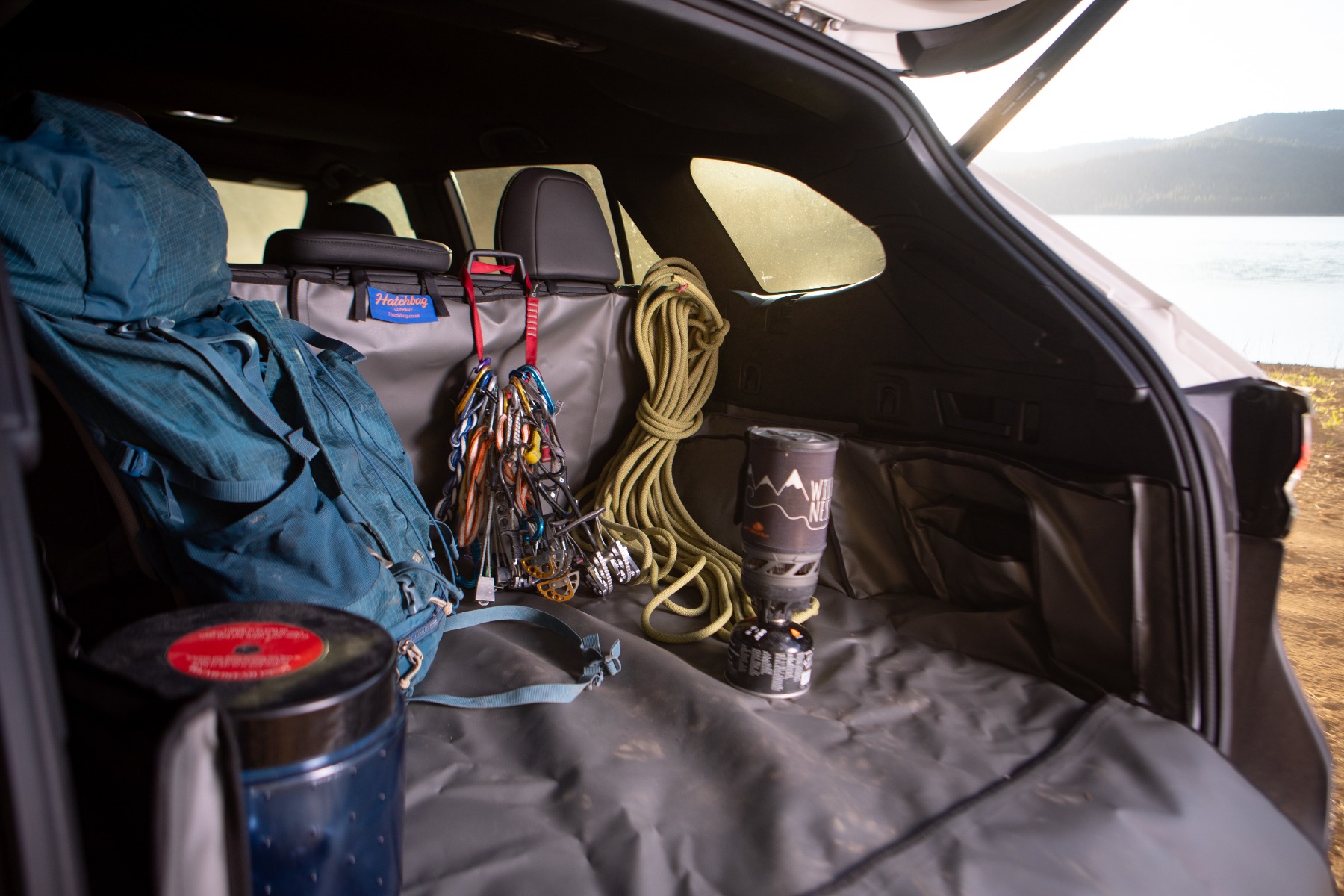
Let's be honest. The trunk is the last thing most people think about until it's too late. You've got a bag of mulch that split open somewhere on the I-95, a can of deck stain rolling around since March, and a shop vac nozzle that's been living back there since the fall. Sound familiar?
If you're a homeowner or renter doing regular DIY runs, your car trunk is basically a job site on wheels. And treating it like one, with a little intention and the right setup, makes every project faster, less stressful, and a whole lot cleaner.
A smart car trunk setup for DIY doesn't require much. But it does require starting with the right foundation.
Why the Trunk Setup Actually Matters
It's not just about keeping things tidy.
A disorganised trunk slows everything down. You forget what is already in the car and end up buying the same things again. Things tip over on the drive, and now there's paint thinner soaking into your carpet. That carpet, by the way, is expensive to replace or professionally clean, and if you're leasing, it could cost you when you return the vehicle.
A simple car trunk organisation setup protects your vehicle, saves time on every run, and keep your car ready for the next project without a full cleanup in between.
Start With a Solid Base Layer
This is the step most people skip, and it is the one that makes the biggest difference. Before bins and storage ideas, you need to protect the trunk itself. A trunk liner as a base layer separates your car from everything you load into it.
A custom-fit trunk liner is the foundation everything else sits on. Not one of those generic universal mats you find at a gas station. A liner that is actually made to the dimensions of your specific vehicle, including the sides and corners, so nothing sneaks underneath and nothing slides around.
Hatchbag liners are designed with this in mind. They're hand-crafted in Birkenhead, England, precision-cut for your exact make and model, and built from a fibre-reinforced PVC that wipes clean with a damp cloth. When you're loading gravel, potting soil, or a stack of plywood, that distinction matters.
The raised edges help contain spills, and waterproof materials stop moisture from reaching the carpet. When you are loading soil, timber, or pain, that level of protection matters.
Car Boot Storage Ideas That Actually Work for Home Projects
Once you've got a clean base to work from, the rest of the setup comes together quickly.
A few ideas that work well for regular DIY and garden centre runs:
Collapsible storage bins. Keep two or three in the trunk permanently. One for tools you might need mid-project, one for returns and empties heading back to the store. They fold flat when you don't need them and stay put when you do.
A rubber storage tray for liquids. Primers, solvents, wood stain, plant food, or items that are most likely to leak. Keeping them in one area prevents small spills from spreading.
A hanging bag on the rear seat hook. Great for small stuff: gloves, utility knife, cable ties, touch-up paint. Keeps the small essentials from disappearing under everything else.
Bungee cords or cargo nets add a way to stop larger items from shifting. A simple cargo net or straps can keep longer tools and materials from moving during the drive.
The goal is not a perfectly Pinterest-ready trunk. It is knowing where things are and keeping the mess controlled.
Real Scenarios, Real People
A few examples of who actually benefits from thinking through their trunk setup:
The weekend gardener who's at the garden centre every other Saturday from April to October. Bags of compost, trays of plants, bags of bark chippings. Without a liner with raised edges, that trunk carpet is done by June.
The rental property owner who picks up materials between visits. You need tools, paint, cleaning supplies, and maybe a few items from the plumbing aisle. You don't have time to sort it out in the car before every job.
The sports coach or team parent loads equipment every weekend. Balls, cones, bibs, water bottles. The trunk is basically a rolling equipment room.
The homeowner tackling a long-running renovation. You're making multiple hardware store runs a week for months. Without a proper liner, the damage accumulates slowly until it's suddenly very obvious.
In every one of these cases, the setup is the same: clean base, organised bins, a plan for liquids, and somewhere for the small stuff.
Keeping the Trunk Clean on DIY Runs
This is where most people give up and just live with the mess. But keeping a working trunk clean doesn't have to mean cleaning it constantly.
The key is containment at point of loading. If the mulch bag goes into a bin and is not loose on the floor, there's nothing to clean up later. If the paint cans go on a rubber tray, the drips stay there and not on the liner. If the liner itself has a proper raised edge, grit and moisture don't reach the carpet underneath.
Wipe-down time after a big hardware run? Roughly two minutes with a damp cloth on a Hatchbag liner. That's genuinely it.
Compare that to cleaning a soaked trunk carpet after a bag of topsoil splits open. That's not a quick job.
How Hatchbag Helps You Get It Right
Most trunk liners are made for a rough category of vehicle, not your vehicle. They leave gaps, shift around, and do not fully protect the space.
Hatchbag liners are different because they're made to fit your specific car model, measured accurately, and built to stay in place. There are no tools needed for installation. It goes in, it fits, and it works exactly the way it should from day one.
For people who use their trunk regularly for DIY, garden work, or outdoor activities, this kind of setup is not just helpful. It is practical.
Explore the Hatchbag website, enter your vehicle, and see the liner built for your trunk specifically. Because when the next project weekend comes around, you want your car ready. Not another cleanup job on the to-do list.


